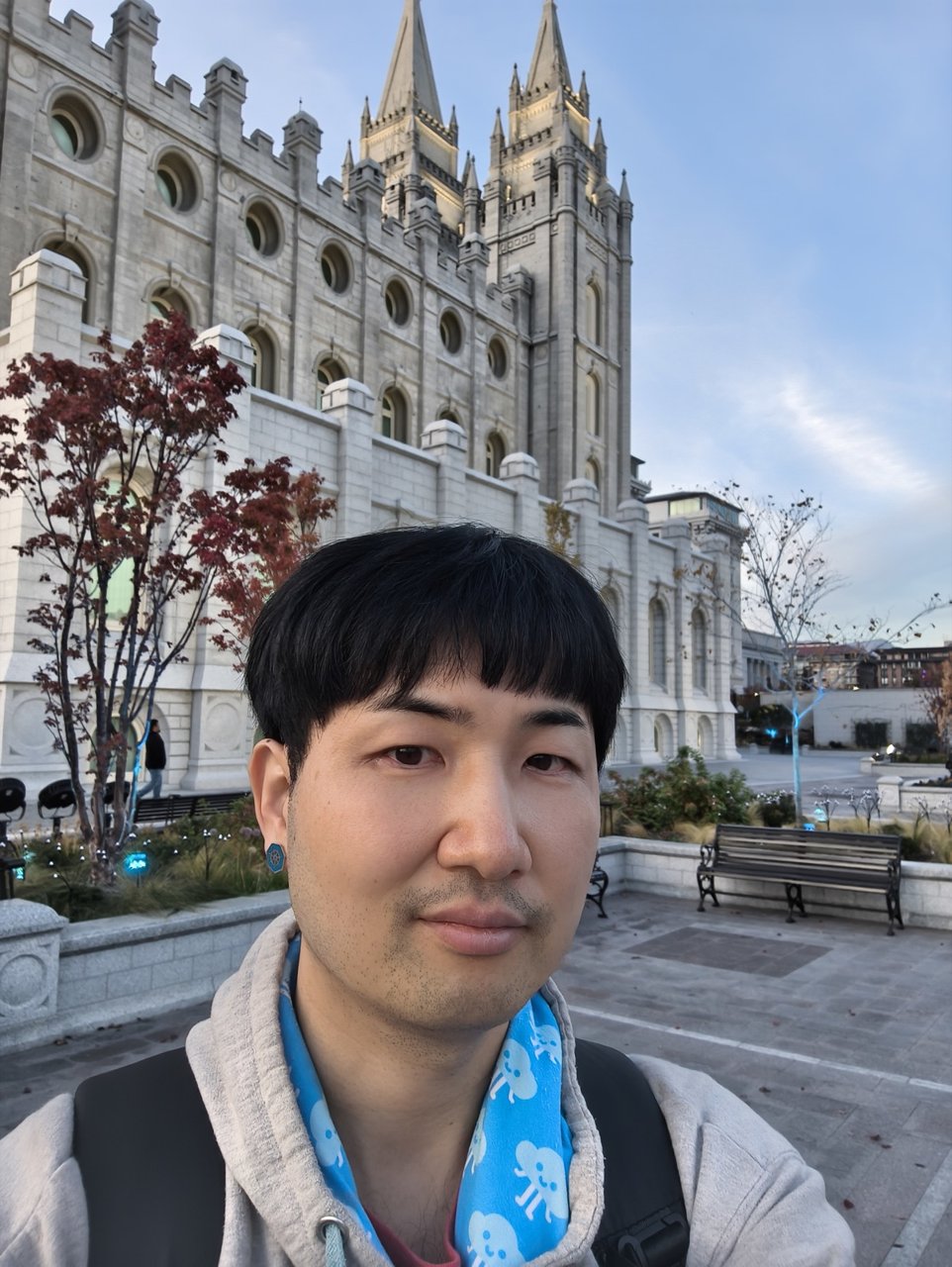
KubeCon + CloudNativeCon North America 2026 ran November 9-12 at the Salt Palace Convention Center in Salt Lake City. I attended with CNCF travel funding again, and besides my talk I picked up several jobs helping the event run as a CNCF Ambassador.
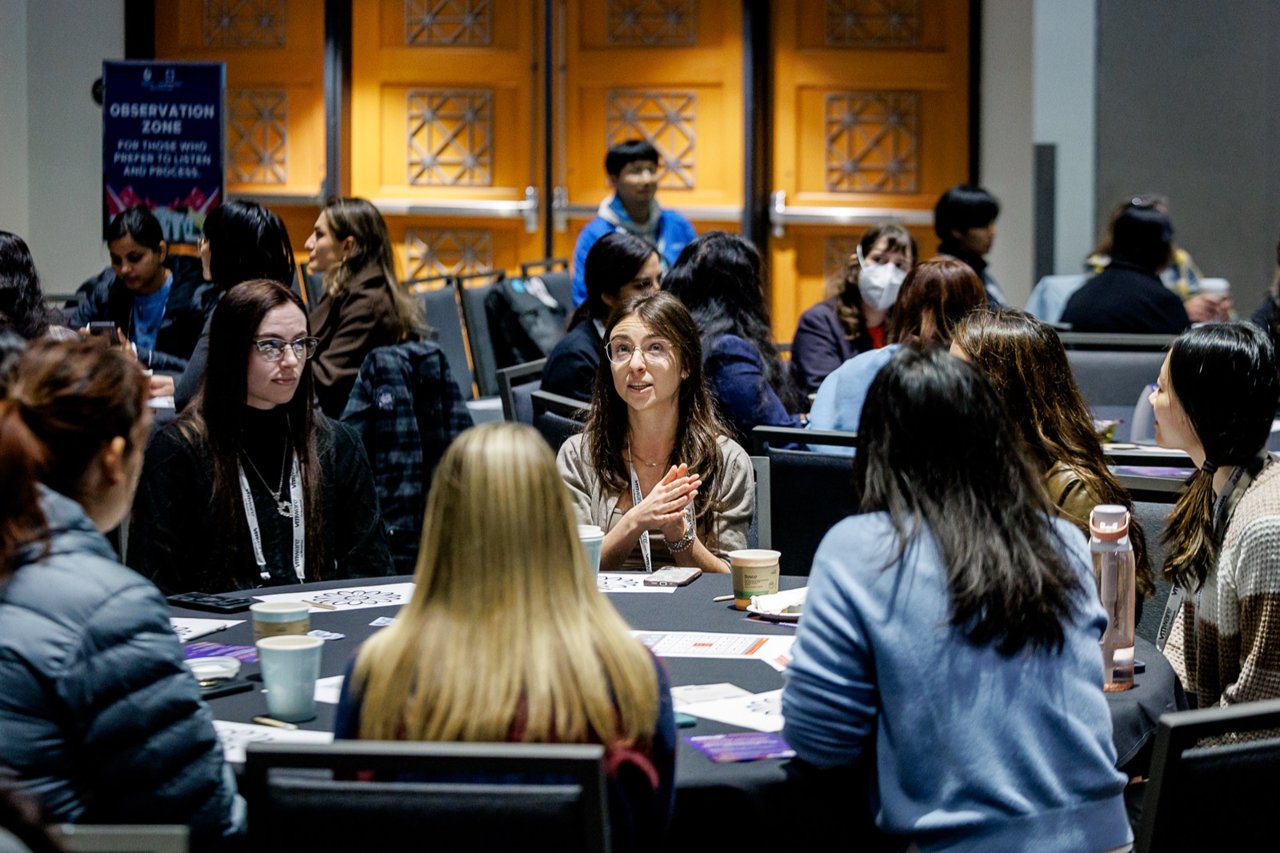
On Tuesday, Tsomorlig Khishigbold brought me to the Women’s Community Gathering. Everyone took a turn sharing their story, and I finally met Niki Manoledaki in person and heard about the work she has been doing.
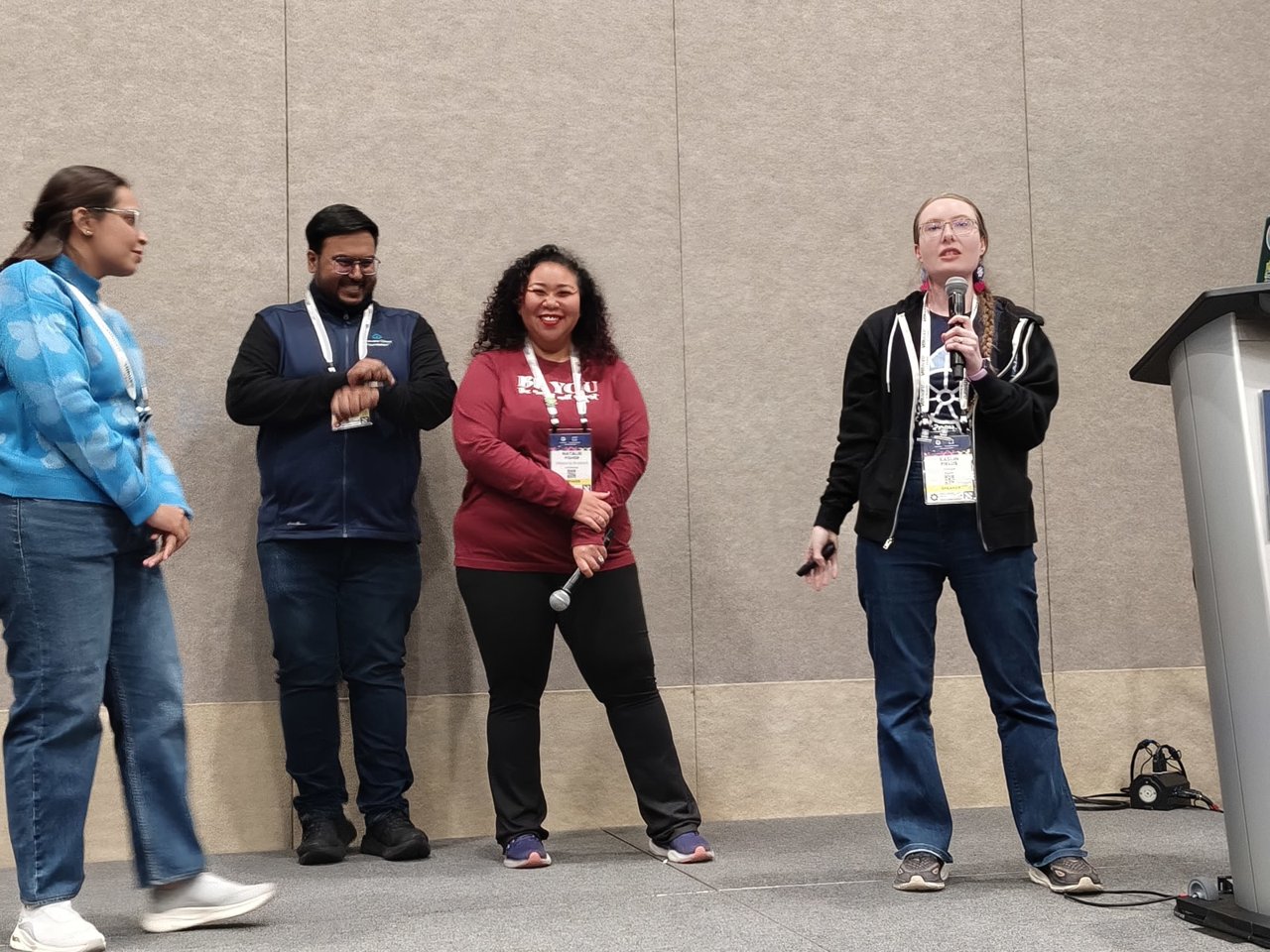
Before my talk I stopped by the SIG ContribEx (Contributor Experience) session. Kaslin Fields, Natalie Fisher, Priyanka Saggu, and Nabarun Pal walked through the sub-project and governance updates, which gave me a clear picture of where the Kubernetes contributor community is heading.
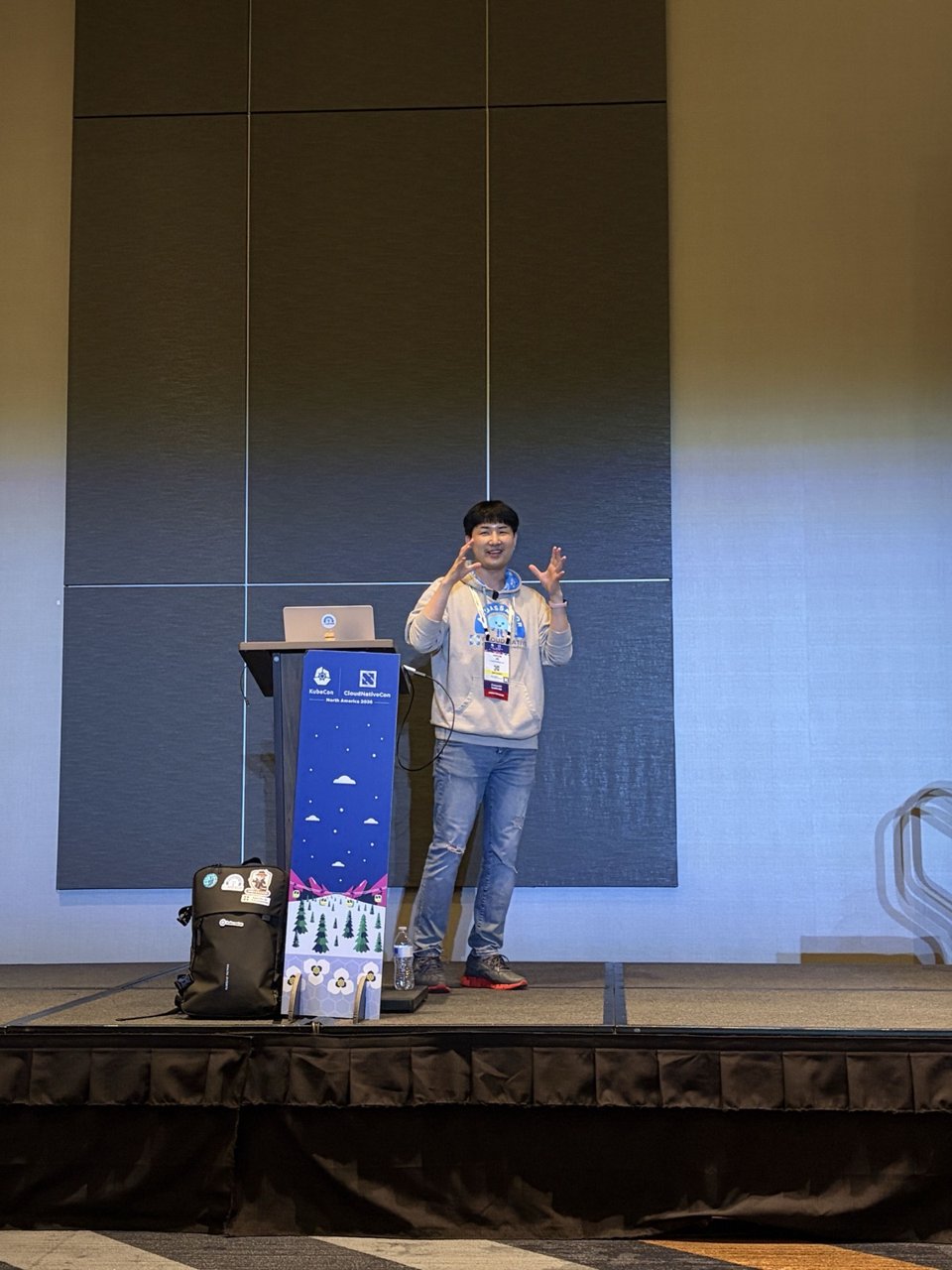
Tuesday ended with my talk on the Operations + Performance track, “How Far Are Open-Source LLMs from Running Real Kubernetes Operations? A 10-Scenario Benchmark.” I gave open-source LLMs 10 Kubernetes operations scenarios, measured how far each one got, and compared them with commercial models. The slides are in the repository. Someone asked why Anthropic’s Claude was not among the commercial models. The honest answer: at the time, the only API credits I could get were for OpenAI’s Codex. There was no other reason (really…).
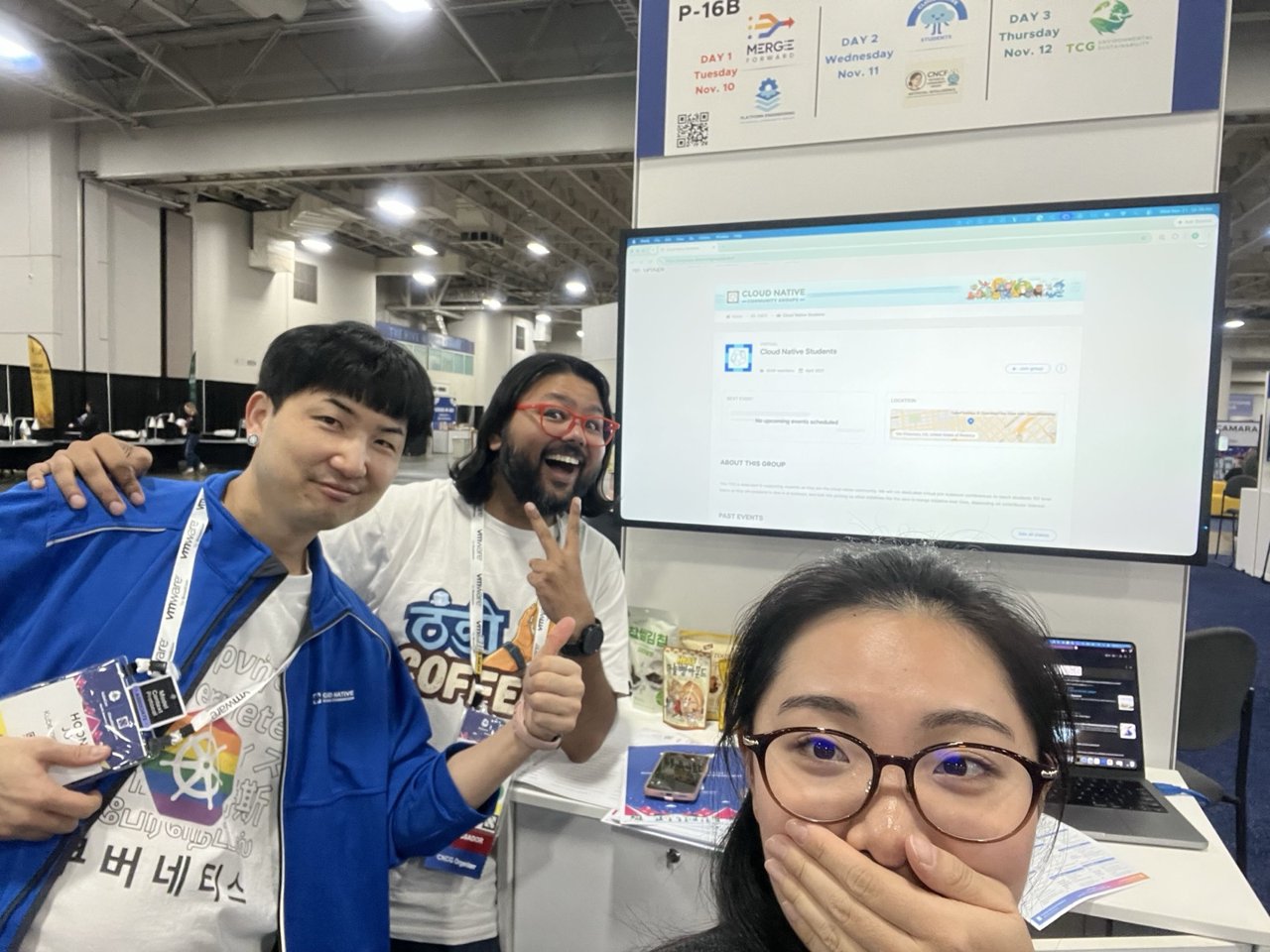
Wednesday morning was the best part of the week for me. I spent most of it at the TCG (Technical Community Group) Students kiosk in the Project Pavilion with Emily Chen, talking with students.
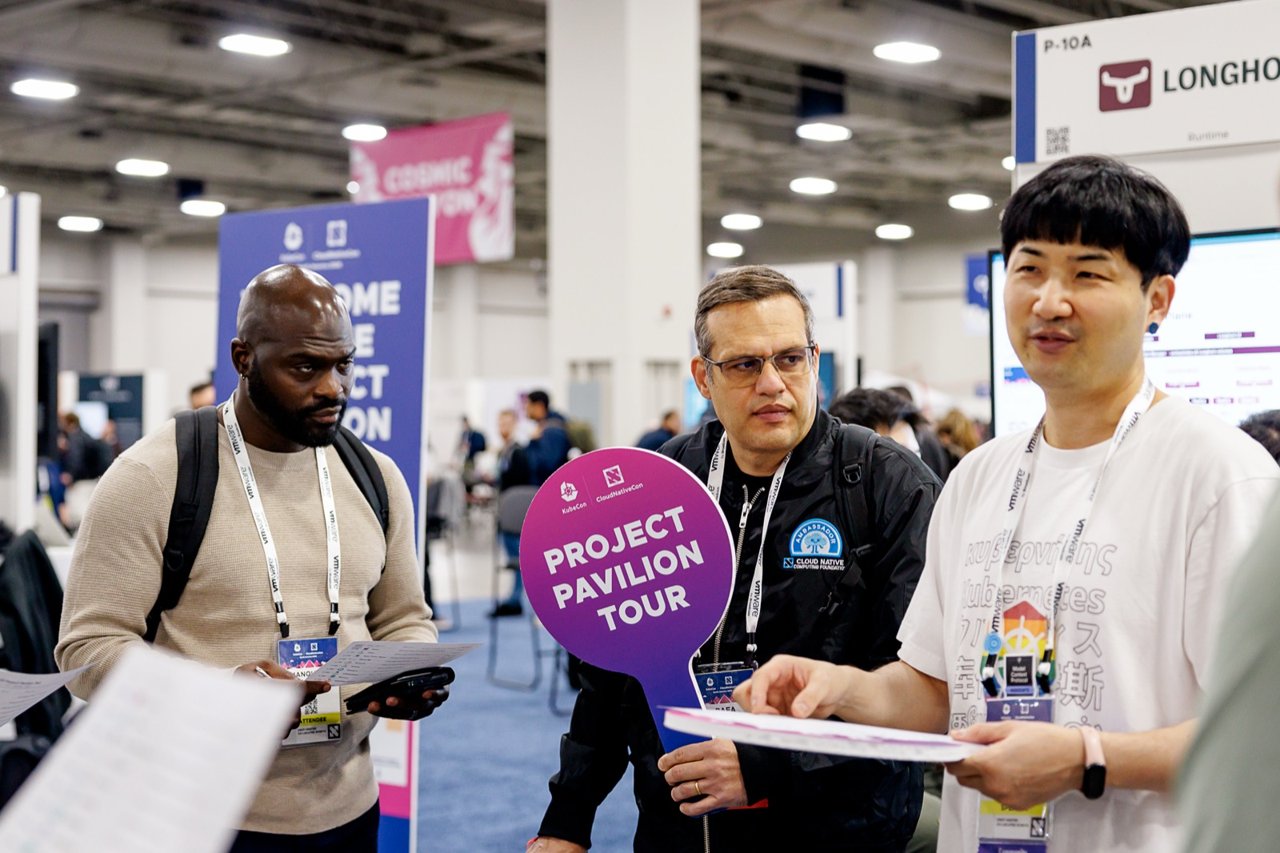
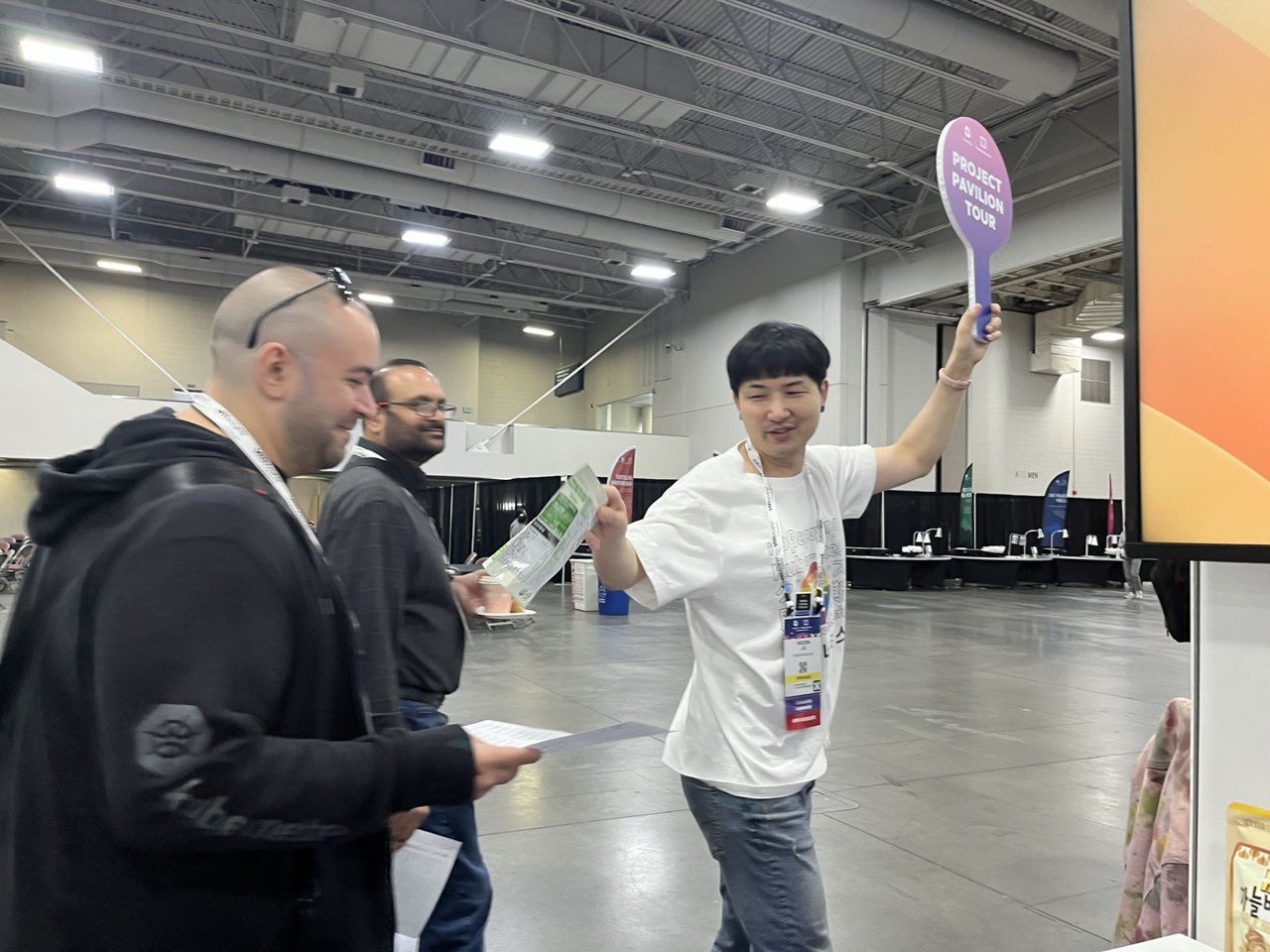
At 10:40 I stepped away for 20 minutes to guide a Project Pavilion tour. I carried the tour sign and walked the group from kiosk to kiosk, while Rafael Brito, who was paired with me, went ahead to check that the next kiosk could take the tour. Without Rafael the tour would not have gone as well as it did.
Thanks also to YoungJoon Jeong and Seol Heo for stopping by the Pavilion that day. I am sorry I missed their talk because of jet lag and another commitment.
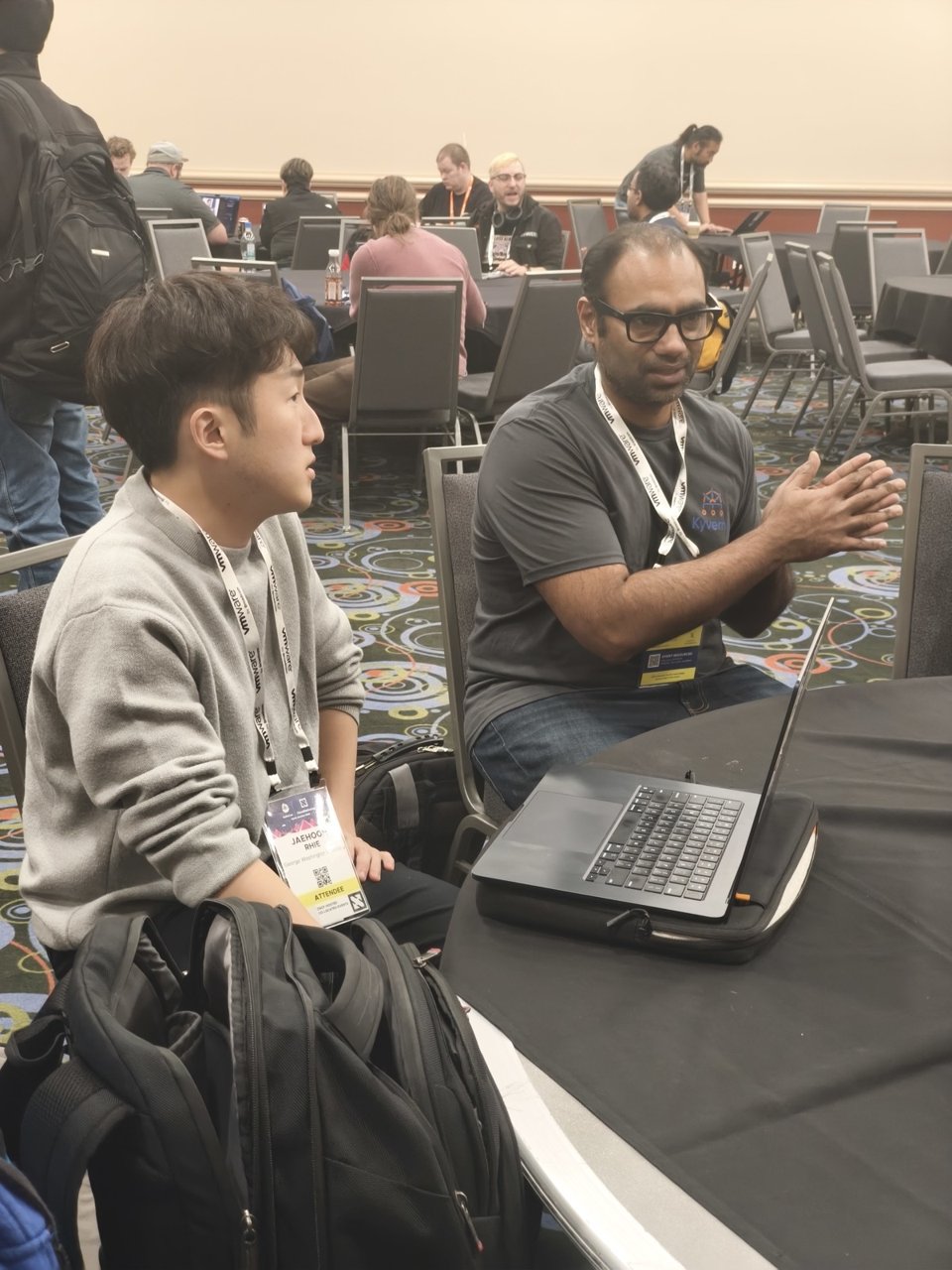
In the afternoon I helped at two Contribfests as a CNCF Ambassador. A Contribfest puts maintainers and contributors in one room to make real contributions. A helper does not run the session; the job is to assist the maintainers with whatever they need and help attendees when they get stuck. First was Kyverno, run by Jim Bugwadia, Cortney Nickerson, and Saurabh Garg, with about 40 people.
Right after, in the same room, came Inspektor Gadget, run by Qasim Sarfraz and Michael Friese. The goal was to publish a first gadget, and I helped about 20 attendees create a repository from the GitHub template and build the top_syscall gadget with GitHub Actions.
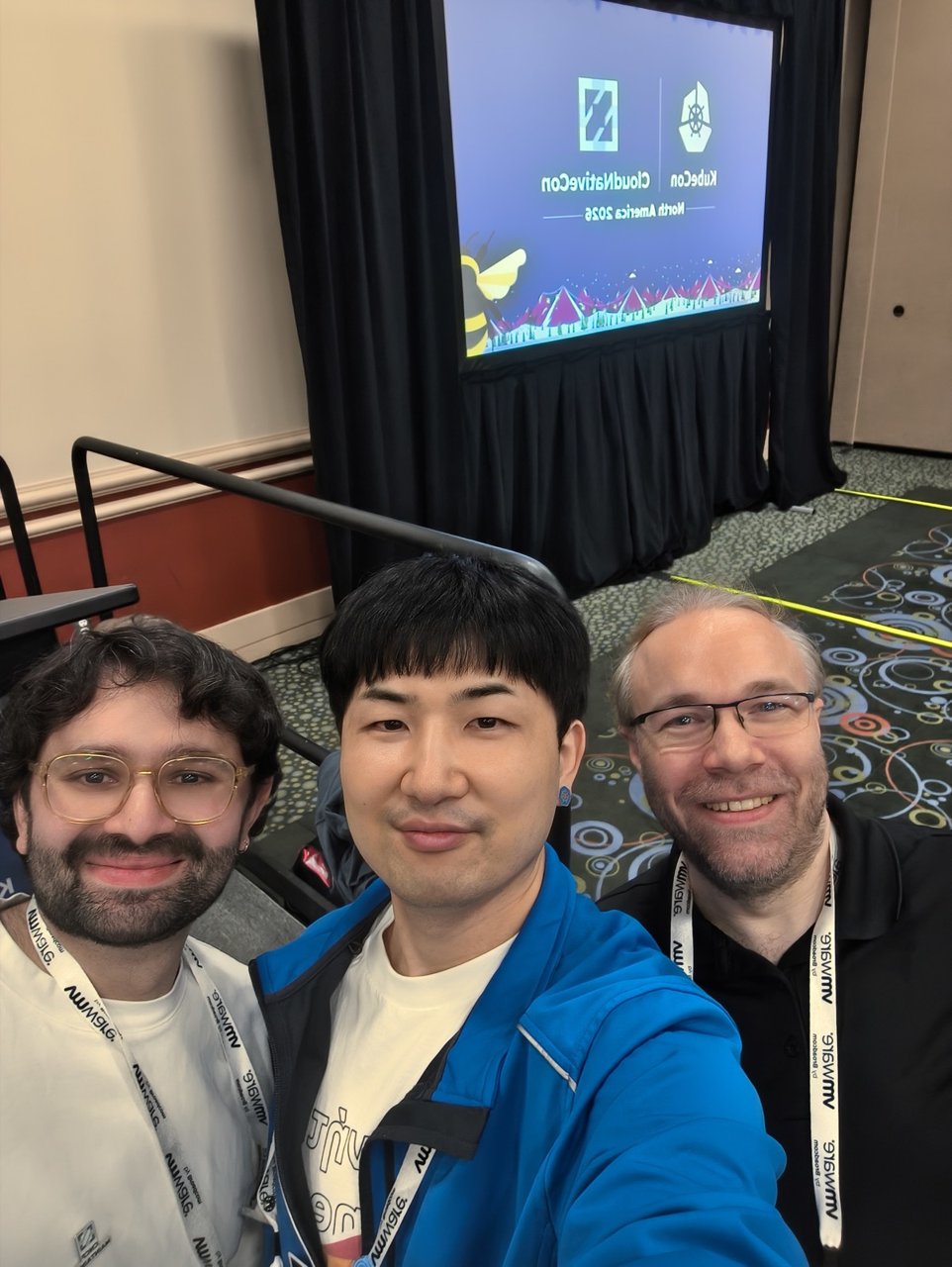
After the Contribfests, thanks to Samudra Weerasinghe and Savi Saluwadana, I joined the OpenChoreo dinner hosted by WSO2 that evening.
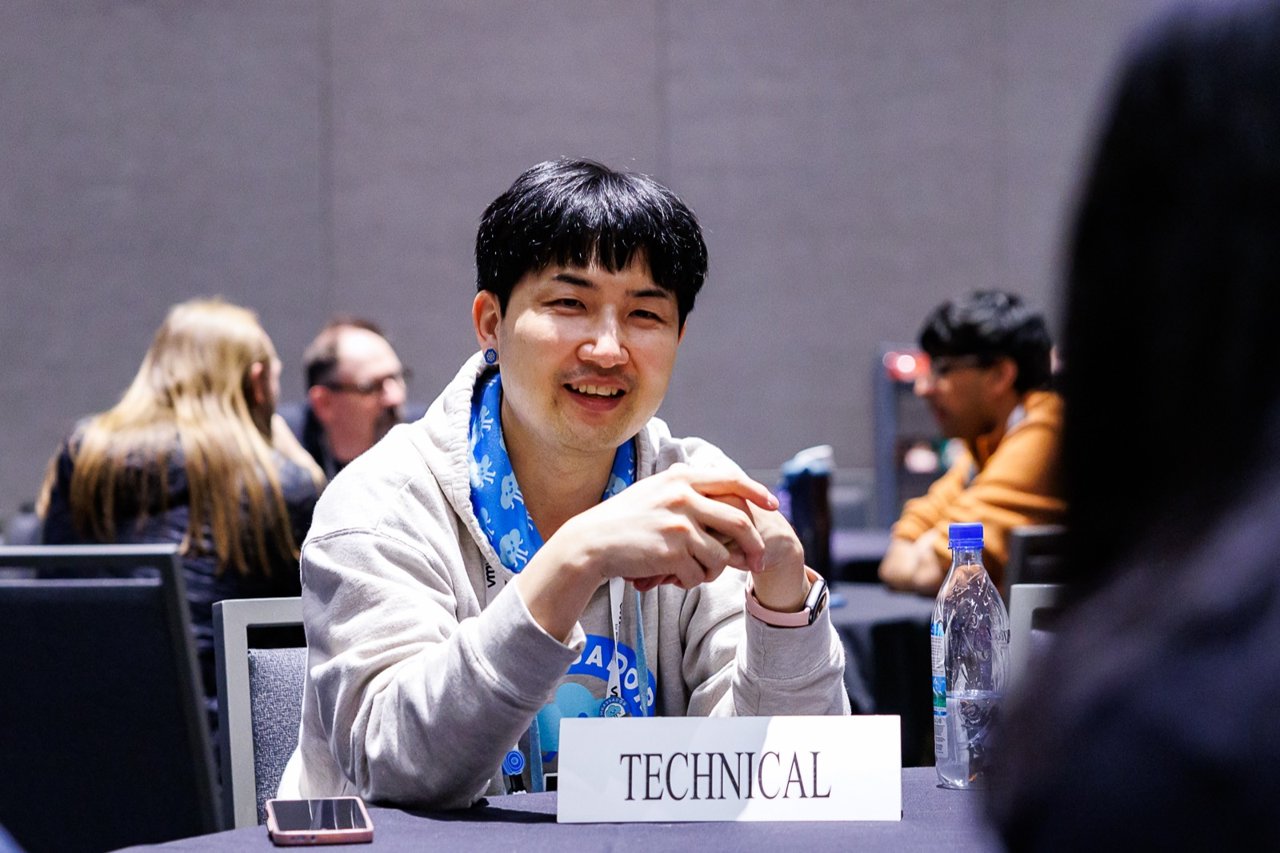
On Thursday afternoon I was a mentor at Peer Group Mentoring again, as I was at KubeCon Japan 2026. My table was on the technical track, and the topics included the engineer’s role in the era of AI agents, working with SRE teams whose priorities differ from yours, and best practices for infrastructure. The topic we spent the most time on, though, was how to lead your own career path and keep growing. It was a very meaningful hour for me too.
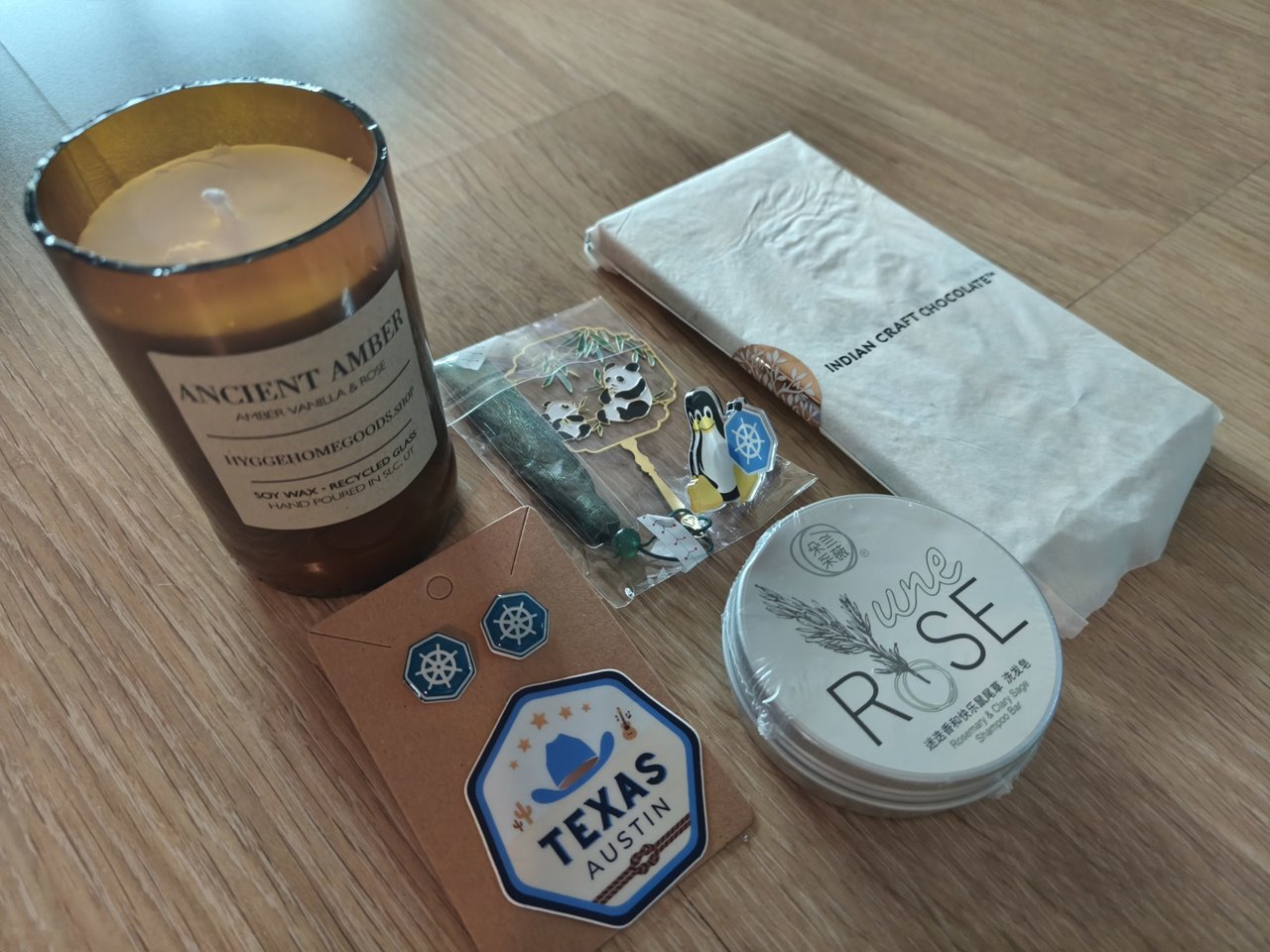
I also came home with gifts: a Texas sticker and Kubernetes earrings from Mars Toktonaliev, a shampoo bar and a panda bookmark from Emily, a Tux and Kubernetes pin from LF Education, Indian craft chocolate from Priyanka, and a candle from the Women’s Community Gathering.
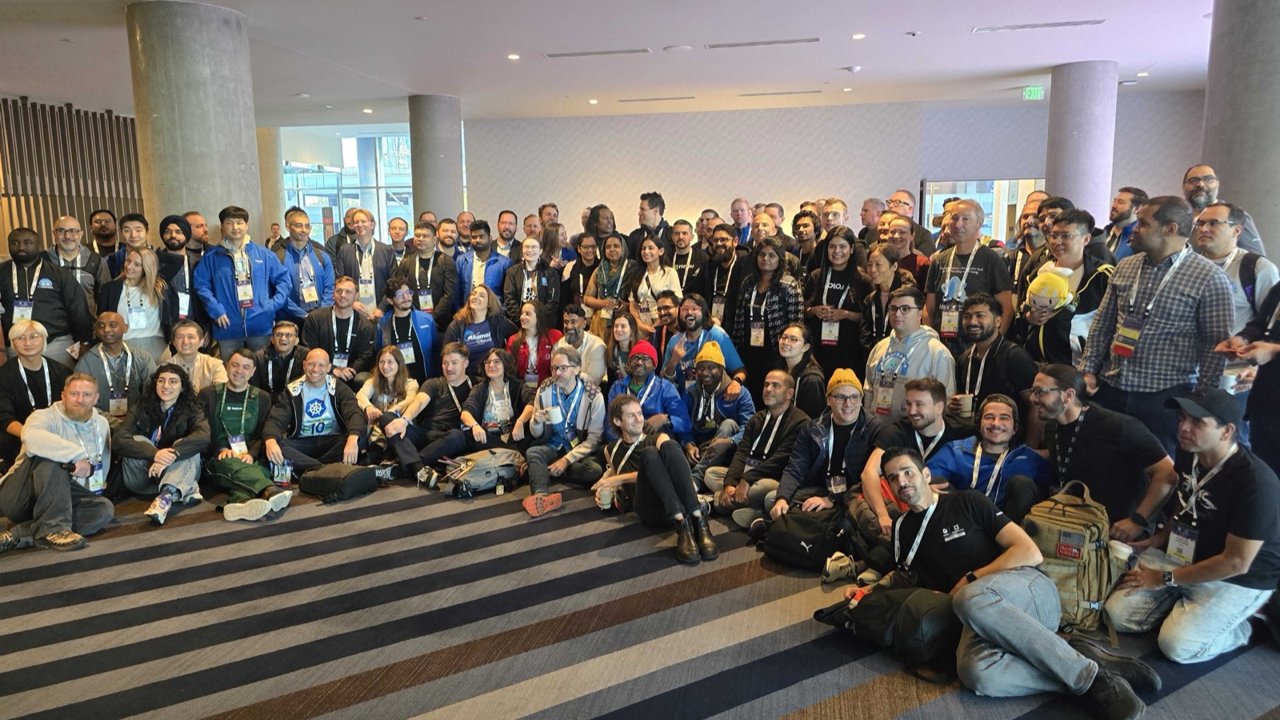
Finally, thanks to Audra Montenegro, the CNCF team, and the fellow ambassadors I worked with. On Tuesday morning the ambassadors and Kubestronauts met for the Ambassador + Kubestronaut Breakfast. Bringing people from this many countries into one room is something only KubeCon makes possible.
After mentoring on Thursday I stopped by Temple Square. The next morning I caught the first train to the airport, and this KubeCon was over.